Call 24/7
What Products Still Contain Asbestos Today?
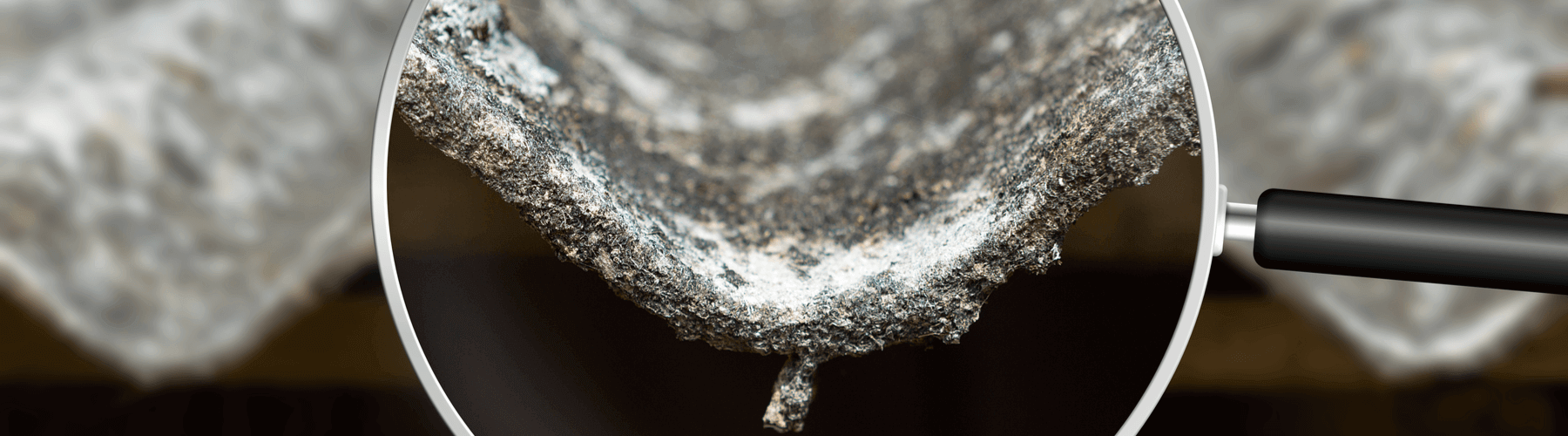
After decades of scientific research linking asbestos exposure to several extremely adverse health conditions, asbestos can still be found in many products. Not only is it found in older, still-circulating items, but it’s also still used in production—or found as a contaminant in materials used in production. In fact, it’s entirely legal for certain produced goods to contain up to 1% of asbestos in the U.S. However, no amount of asbestos exposure is good exposure. The best way to protect yourself is to be informed of which items may be putting you at higher risk.
Do Any Products in the U.S. Still Contain Asbestos?
Yes. The United States has never passed a complete ban on asbestos, and federal law currently allows manufactured products to contain up to one percent asbestos. While certain high-risk items, such as asbestos pipe insulation and spray-on coatings, have been banned outright, asbestos can still legally appear in automotive parts, home appliances, building materials, and some consumer goods.
Where is Asbestos Still Used & Why?
Historically, asbestos was popular because it was abundant, inexpensive, and durable. However, it was also highly valued for its resistance to both heat and chemical reactions.
Automotive Materials
Vehicle parts have to withstand frequent exposure to heat, fire, and friction, which is why asbestos is still commonly used in their production.
Here are a few automotive items in which asbestos may still be found:
- Brakes, including brake linings, brake pads, and brake shoes
- Clutch linings and clutch facings
- Transmission plates
- Drum brakes
- Disc brakes
- Gaskets
Fireproofing & Insulation
Since asbestos is known for its durability and resistance to heat, it can often be found in fireproofing and insulating products. While asbestos may not be prevalent in most public-facing heat-resistant products, it’s important to note that it’s still used in occupational gear and clothing.
Here are a few products that may contain asbestos:
- Heat-resistant gloves
- Building insulation
- Asbestos blankets
- Asbestos curtains
- Asbestos boards
- Asbestos cloth
- Pipe coatings
- Ductwork
- Firebrick
Home Appliances
Many older home appliances, and some newer, contain asbestos. However, it will most likely only be found in appliances that require heat resistance or strong insulation to operate safely within the home.
Some examples include:
- Gas range wicking
- Clothes dryers
- Microwaves
- Coffee pots
- Crockpots
- Stoves
Consumer Goods
Asbestos is a naturally occurring mineral, which means that it can sometimes appear in other naturally occurring minerals. Because of this, some consumer products may have trace amounts of asbestos. Other consumer goods may contain asbestos for the same reasons as many other products do—because asbestos is durable and heat-resistant.
Below is a list of consumer goods that may contain asbestos:
- Ironing board covers
- Children’s makeup
- Cigarette filters
- Talcum powder
- Bookbindings
- Bowling balls
- Potting soil
- Fake snow
- Oven mitts
- Hairdryers
- Crayons
Industrial & Commercial Products
Professional-grade products need to be durable, cost-effective, and resistant to extreme temperatures. This is why asbestos was and still is a common ingredient in many industrial and commercial products.
Examples include:
- Electrical components
- Duct connectors
- Cement sheets
- Lab equipment
- Vinyl products
- Adhesives
- Gaskets
- Plastics
- Textiles
- Tiles
Safety & Regulations For Use of Asbestos in Production
In 1989, a partial ban on asbestos was initially passed but was later mostly overturned. As a result, a conclusive ban on asbestos has yet to be passed within the U.S. However, several federal and state-level regulations have been put into place in an attempt to reduce asbestos exposure. In mid-2019, the EPA passed the Significant New Use Rule (SNUR) after they revisited previous asbestos legislation. SNUR mandated that any products produced using asbestos must be evaluated by the EPA before being reintroduced to the market for new uses. This was intended to give the EPA time to determine whether the new way of use would pose a risk to public health and safety and to instate alterations or halt productions if so.
Items Permanently Banned
Several asbestos products have been permanently banned from production and circulation under the Clean Air Act, the Consumer Product Safety Act, and several regulations jointly enacted by the U.S. FDA and the U.S. EPA. These items include:
- Asbestos paper products, including corrugated, commercial, and specialty paper
- Spray-on coatings containing more than 1% asbestos
- Asbestos filters for pharmaceutical manufacturing
- Friable asbestos pipe and block insulation
- Asbestos fireplace decorations
- Asbestos wall compound
- Asbestos flooring felt
Even with such bans and regulations in place, it is essential to remain vigilant about which products you introduce into your life.
Your Options Following Asbestos Exposure
Asbestos exposure can result in life-threatening conditions up to decades later. If you or a loved one has experienced health problems related to asbestos exposure, you may be entitled to compensation. Talk with one of our asbestos litigation experts today to find out how the team at Cooney & Conway can help.
Frequently Asked Questions About Products That Still Contain Asbestos
Is it legal for products to still contain asbestos in the U.S.?
Yes. The U.S. has never enacted a full asbestos ban. Products can legally contain up to one percent asbestos, and while some items are permanently banned, many others are still manufactured or remain in circulation.
What household items are most likely to contain asbestos today?
Older home appliances (gas ranges, clothes dryers, microwaves, crockpots), building insulation, ironing board covers, and certain consumer goods like talcum powder and cosmetics can still contain trace or higher amounts of asbestos.
Why is asbestos still used in car parts like brakes and clutches?
Asbestos resists heat and friction extremely well, making it useful in components that generate significant heat, such as brake pads, brake linings, clutch facings, and gaskets.
Are asbestos products more dangerous when they’re old versus new?
Older asbestos-containing materials can become friable, meaning they crumble easily and release fibers into the air, which raises the risk of inhalation. Newer products with trace asbestos are generally less likely to release fibers unless damaged, drilled, or disturbed.
What is the EPA’s Significant New Use Rule (SNUR), and how does it affect asbestos products?
SNUR, passed in 2019, requires the EPA to evaluate any product manufactured using asbestos before it can return to the market for a new use, giving regulators a chance to assess health risks before reintroduction.
Which asbestos products have been permanently banned?
Banned items include asbestos paper products, spray-on coatings with more than one percent asbestos, asbestos pipe and block insulation, asbestos fireplace decorations, asbestos wall compound, and asbestos flooring felt.
Can trace amounts of asbestos in a product still cause health problems?
Yes. Medical research has found no safe threshold of asbestos exposure — even small or occasional exposure to asbestos fibers can potentially contribute to diseases like mesothelioma or asbestosis over time.
What should I do if I think I’ve been exposed to asbestos through a product?
Talk to a doctor about your exposure history and watch for symptoms, and consider speaking with an asbestos litigation attorney to understand whether you may be entitled to compensation.